Departments
Samhita and Siddhantha
This department deals with all the fundamental principles of Ayurveda. Sanskrit is the Language used to explain the message of its eternity and relevance in both healthy and unhealthy individuals. This is conveyed to the students and curious scholars to have glimpse of truth in our indigenous system of medicine.
Samhita Samskrita and Siddhanta department induce and nurture the BAMS students profess them with Ashtangahridayam, Ayurveda Ithihaasa, Padartha Vijnana, Sanskrit, Charaka Samhita Purvaardham and Charaka Samhita Uttaraardham etc.
- Sanskrit is the key to Ayurveda to understand the aim and theme of Ayurveda, preserved in ancient texts, students should have a good command in Sanskrit language. So it is included in the First year of BAMS.
- Padartha Vijnan is the radical part of the Ayurveda which incorporates the Indian philosophy and the elementary parts of its knowledge.
- Ayurveda is a system of medicine with historical roots in the Indian Subcontinent. So a study of the history of Ayurveda reveals its past and the present level of development.
- Ashtanga Hridayam Soothrasthanam deals with the principles of Ayurveda explained in a more easy and understandable method for three intellectual classes of student.
- Charaka Samhitha is a text of excellence in treatment. Fundamentals of Ayurveda, its approach to life and disease has essentially to take resort to the study of this text.
Faculty:
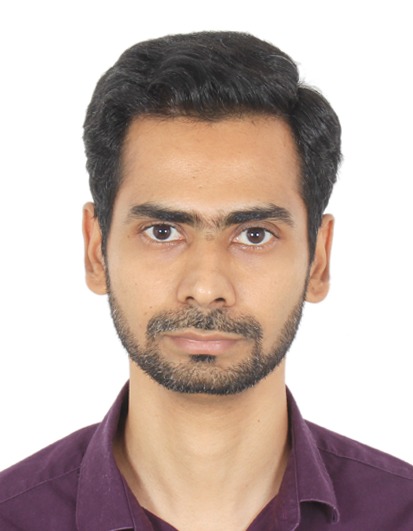
Dr. ARAVIND. B. S
Associate Professor & Head of Department
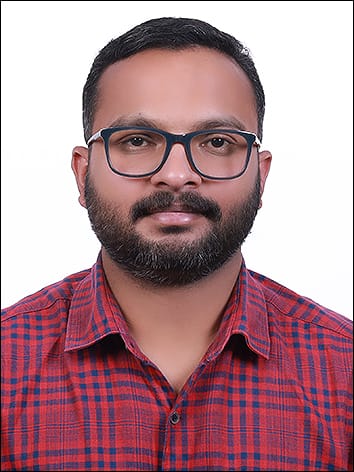
Dr. VISHNU K SUKUMARAN
Assistant Professor
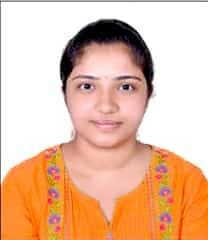
Dr. POOJA. S
Assistant Professor
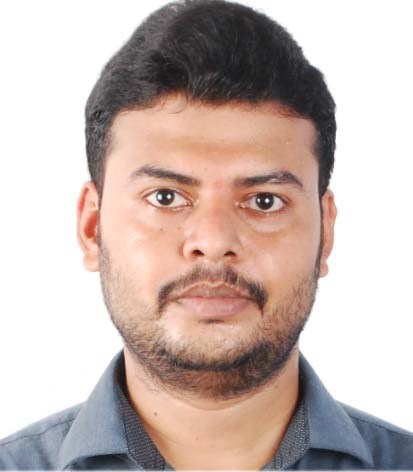
Dr. Bharath V
Assistant Professor
Rachana Shareera
Rachana Shareera mainly deals with understanding Human Anatomy. Anatomy is a branch of Medical Science that provides basic knowledge about the human body. It helps in clearing the fundamental concepts of the structural entity present in the human body.
Knowledge of the anatomical structure of the body forms the base of understanding how both structure and functions are modified. It includes the study of various systems like the nervous system, cardiovascular system, lymphatic system, urinary system, reproductive system, and more of our human body which function together to maintain the internal equilibrium and thus maintain health. Knowledge about the anatomy of these systems supports the examination of a patient, the formation of a diagnosis, surgical interventions and communication of these findings to the patient and with other medical professionals.
Shareera Rachana deals with the study of the human body right from its formation and even after its cessation of activities. The subject Rachana Shareera is further classified into many headings like Garbha Shareera (Human Embryology and genetics), Role of Pancha-Mahabhuta on the human body, Marma shareera (Vital points of the human body), Koshthangas and Srothas (the various organ systems), Indriya Shareera (sensory organs), Pramana Shareera (Anthropometry), etc. Knowledge of Shareera Rachana is essential for a better understanding of the principles of Chikitsa.
The department of Rachana Sharir makes sure that the students are well versed in the theoretical and practical aspects of Shareera Rachana as well. The students are taught in an Audio-visual room with modern software applications on Human anatomy and presentations.
A vast spacious, properly ventilated Dissection hall that can accommodate 60 students at once, where the students are taught and perform dissection on the real human cadavers. This will further enhance their knowledge of the human body.
- Sanskrit is the key to Ayurveda to understand the aim and theme of Ayurveda, preserved in ancient texts, students should have a good command in Sanskrit language. So it is included in the First year of BAMS.
- Padartha Vijnan is the radical part of the Ayurveda which incorporates the Indian philosophy and the elementary parts of its knowledge.
- Ayurveda is a system of medicine with historical roots in the Indian Subcontinent. So a study of the history of Ayurveda reveals its past and the present level of development.
- Ashtanga Hridayam Soothrasthanam deals with the principles of Ayurveda explained in a more easy and understandable method for three intellectual classes of student.
- Charaka Samhitha is a text of excellence in treatment. Fundamentals of Ayurveda, its approach to life and disease has essentially to take resort to the study of this text.
Faculty:
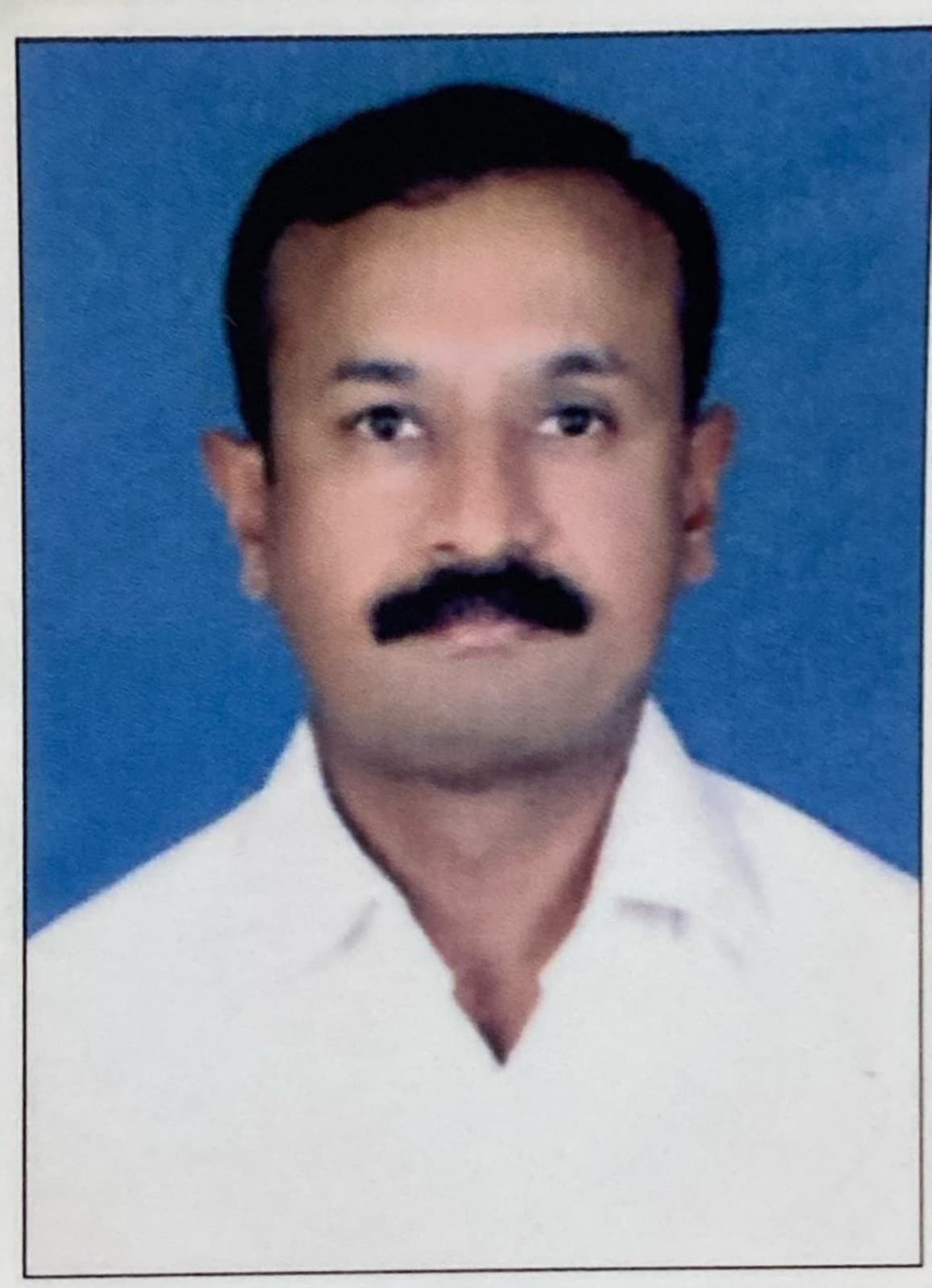
Dr. Shelly Divyadarshan
Associate Professor & HoD
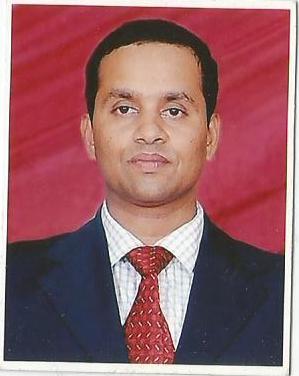
Dr. B. V. VIJAYA SHANKAR
Professor
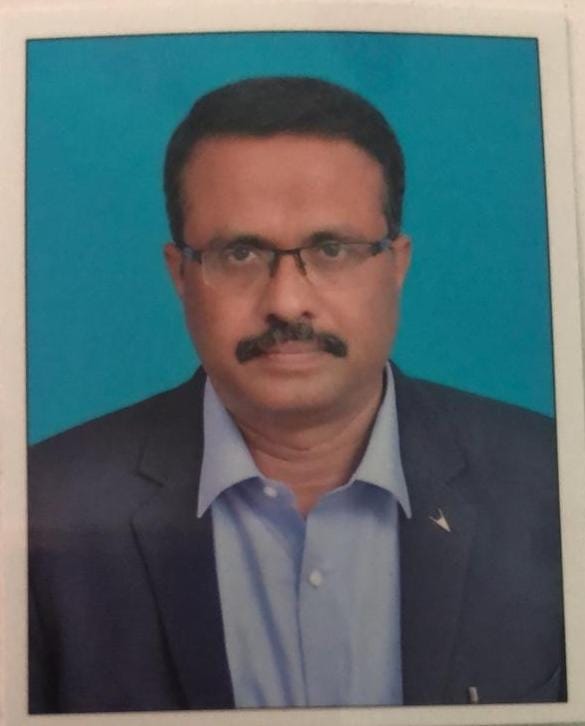
Dr. SRINIVASA. G. P
Assistant Professor
Shareera Kriya
Shareera Kriya is the specialty of Ayurveda which deals with the study of the normal functioning of the body and mind.
This department deals with complete knowledge of the functioning of the body in Ayurveda and modern context. Human physiology is essential to understanding the body mechanism which will be helpful to be aware of the pathological conditions in the diseased state. The underlying goal is to explain the fundamental mechanisms that operate in a living human body and how they interact.
Department provides thorough knowledge of Ayurvedic fundamental principles to students along with modern aspects. This subject, therefore, is the base for proper understanding of Ayurveda. This subject is of great importance for a medical student to understand all other para-clinical and clinical subjects. Proper knowledge of normality is very much important for the assessment of abnormality and later for the selection of the right treatment.
The department of Shareera Kriya aims at providing deep insights into the study of the human body and human life. It helps nurture the thinking of students to utilize the concepts of Shareera Kriya in curative and preventive aspects of Ayurveda and to apply the knowledge of Shareera Kriya in a better lifestyle and health management.
The department has a well-established museum and laboratory with modern types of equipment for a better understanding of the subject. The lab is maintained and supervised by qualified lab technicians.
The department is well-equipped with charts, specimens, models, and books for teaching and learning purposes, along with well-equipped laboratories to teach all Ayurvedic and modern practicals.
Faculty:
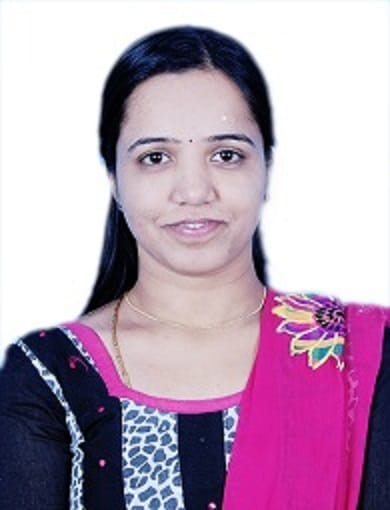
Dr. ARPITHA. P
Associate Professor & Head of Department
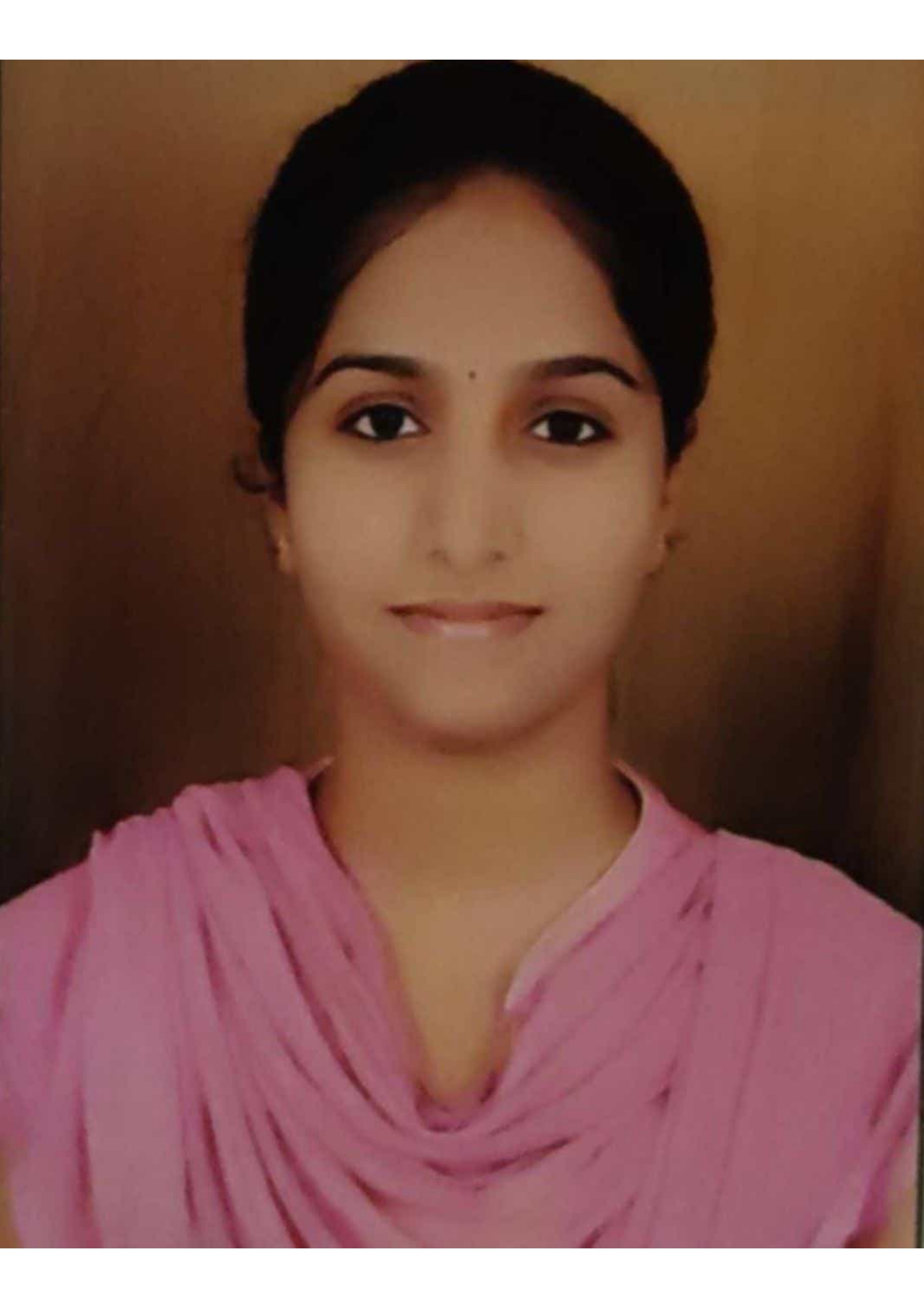
Dr. MEGHANA. D. R
Assistant Professor
MIAMSH - Copyright 2025. Designed & Maintained by RunShaw Technologies